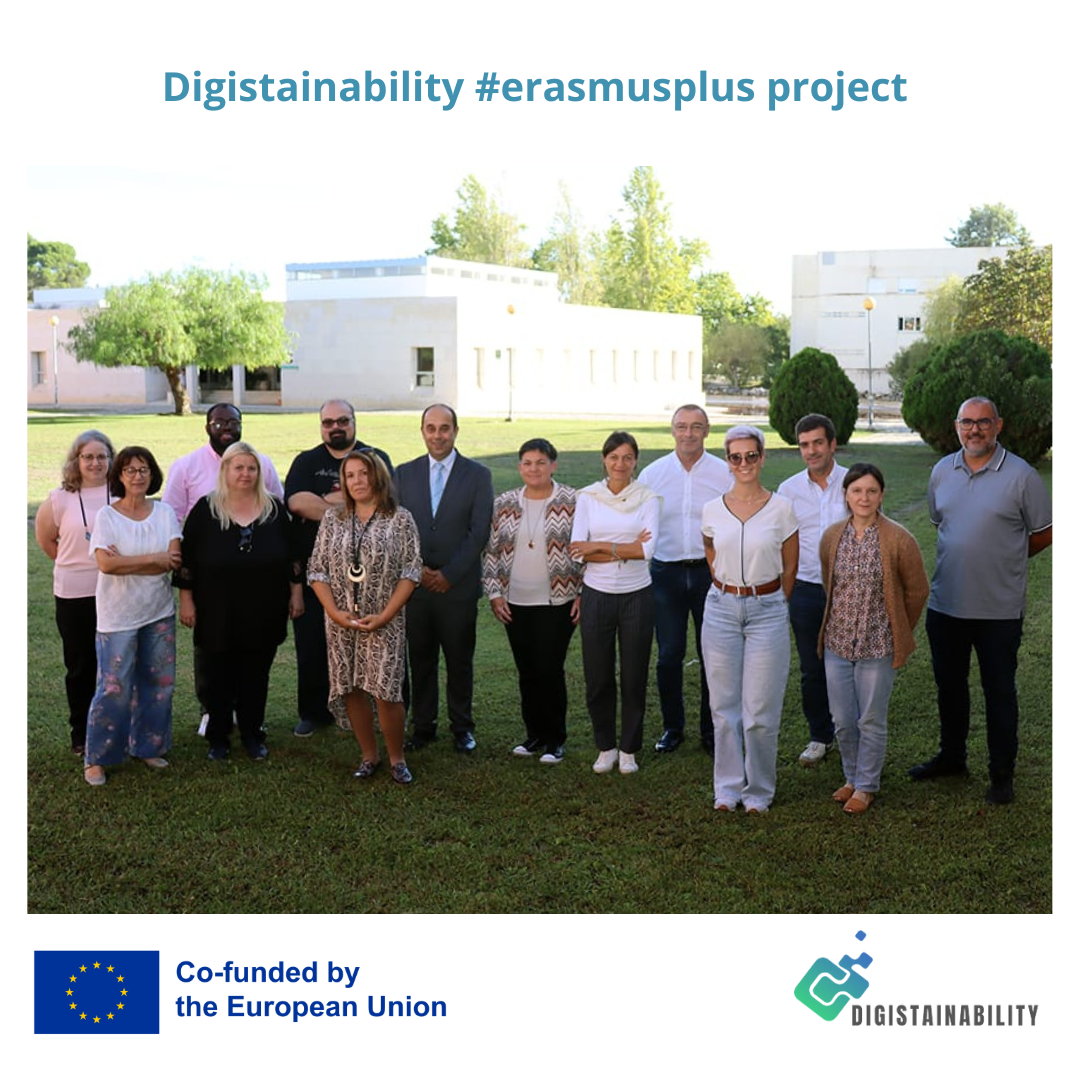
On October 1st and 2nd, 2024, HETEL, together with its partner Nazaret, actively participated in the transnational meeting of the European Digistainability project at the Polytechnic Institute of Tomar, Portugal. The aim of the project is to effectively integrate digital and sustainable competencies into marketing education programs across Europe, contributing to the modernization of vocational and higher education. The meeting was attended by representatives from various countries, including Spain, Germany, Italy, Portugal, and Bulgaria. During the meeting, the project’s progress was reviewed, and discussions focused on how to adapt current curricula to include key skills in sustainability, digitalization, and business ethics. Through surveys conducted with students, teachers, and professionals, as well as focus groups organized in each country, the most relevant competencies for the future of marketing were identified, and six main blocks were established to serve as the basis for new curricula. One of the main topics was the need to standardize programs using ECTS credits, thus facilitating greater uniformity and coherence across European educational systems. Additionally, it was agreed to implement a color-coding system to classify competencies according to their importance, which will allow educational centers to integrate them more effectively. The collaboration between institutions like HETEL and Nazaret has been key in this process. Together, they have provided valuable insights from the perspective of Basque Vocational Education, promoting an innovative vision for the curricula to be implemented across Europe. Discussions also covered the development of training materials that will be piloted with students, highlighting the importance of practical training in digital tools and data analysis within the context of sustainable marketing. Finally, the meeting also served to strengthen the project’s dissemination strategies. The status of the website development was reviewed, and a communication plan was agreed upon for social media to increase the visibility of the project’s progress and results. The next step will be to finalize the competency framework and continue the curricular integration based on the results obtained. In November, the partners will meet again to assess progress and plan the next steps.